

About Slow Current Psychotherapy
Slow Current was born from the belief that meaningful therapy shouldn’t feel rushed. Too often, healing is approached as something to fix as quickly as possible, when lasting change requires time, curiosity, and a space where you can simply be.


Hi, I’m taylor,
I came into therapy through social work – earning both my Bachelor and Master of Social Work at UNC Wilmington – and that training largely shapes how I show up, both as a therapist and as a person out in the world.
Social work taught me to look at the whole picture – not just what’s happening inside you, but the circumstances around you. The job that’s wearing you down. The family you came from. The systems that have, or haven’t, made room for you. I don’t see distress as a personal failing when so much of it is a reasonable response to what you’ve been carrying.
Life is busy and we are constantly moving — I offer a space for you to slow down, be present and work through the things that have been weighing you down. Using evidence-based treatments we’ll build new ways of coping, strengthen self-compassion, and untangle patterns of thinking and behavior that are no longer serving you. As you learn to stop fighting the current and begin to move with it, we’ll move in the direction of a healthier and more meaningful life.
Credentials
Education:
Bachelor of Social Work, UNC Wilmington (‘17)
Master of Social Work, UNC Wilmington (‘19)
Trainings:
EMDR Basic Training through the EMDR International Association

My therapeutic approach
I draw from an eclectic blend of theories and modalities, such as Attachment Theory, Psychodynamic Theory, Ego States Therapy, and Acceptance and Commitment Therapy. What connects them is a belief that the ways you've learned to cope made sense at some point – they were adaptations, not defects. Attachment and psychodynamic work help us understand where those patterns came from and how they show up in your relationships now. Ego states work makes room for the parts of you that seem to be in conflict, so you're not at war with yourself. ACT helps you hold difficult thoughts and feelings without letting them dictate what you do.
-
Focuses on how our earliest relationships and experiences with caregivers shape the way we connect with others, experience intimacy, respond to conflict, and seek safety in relationships throughout life. Therapy may explore attachment patterns to help you build healthier, more secure relationships.
-
Explores how past experiences, relationships, unconscious emotions, and recurring patterns influence our thoughts, feelings, and behaviors. It often involves understanding the deeper roots of current struggles rather than focusing only on symptoms.
-
Works with the idea that people have different internal "parts" or emotional states that developed through different experiences. For example, one part may feel fearful while another is highly independent or protective. This therapy helps you understand these parts, where they came from, and how they can work together more cohesively.
-
Helps you make room for difficult thoughts and emotions rather than constantly trying to eliminate or avoid them. The goal is to develop psychological flexibility and take actions that align with your personal values, even when uncomfortable feelings are present.
-
Uses bilateral stimulation, like guided eye movements or gentle tapping, to help your brain and nervous system reprocess memories that have stayed stuck. The goal is to let those experiences settle into the past, so they no longer carry the same emotional charge in the present.

get to know your therapist

What I’m listening to
you seem pretty sad for a girl so in love by Olivia Rodrigo

Current Coffee Order
Iced americano with coconut water and strawberry cold foam

When I’m not in session
You can find me working in my garden, at the beach, or catching up on the latest pop culture news — all with a coffee in my hand!
For telehealth sessions, extra support is provided by:

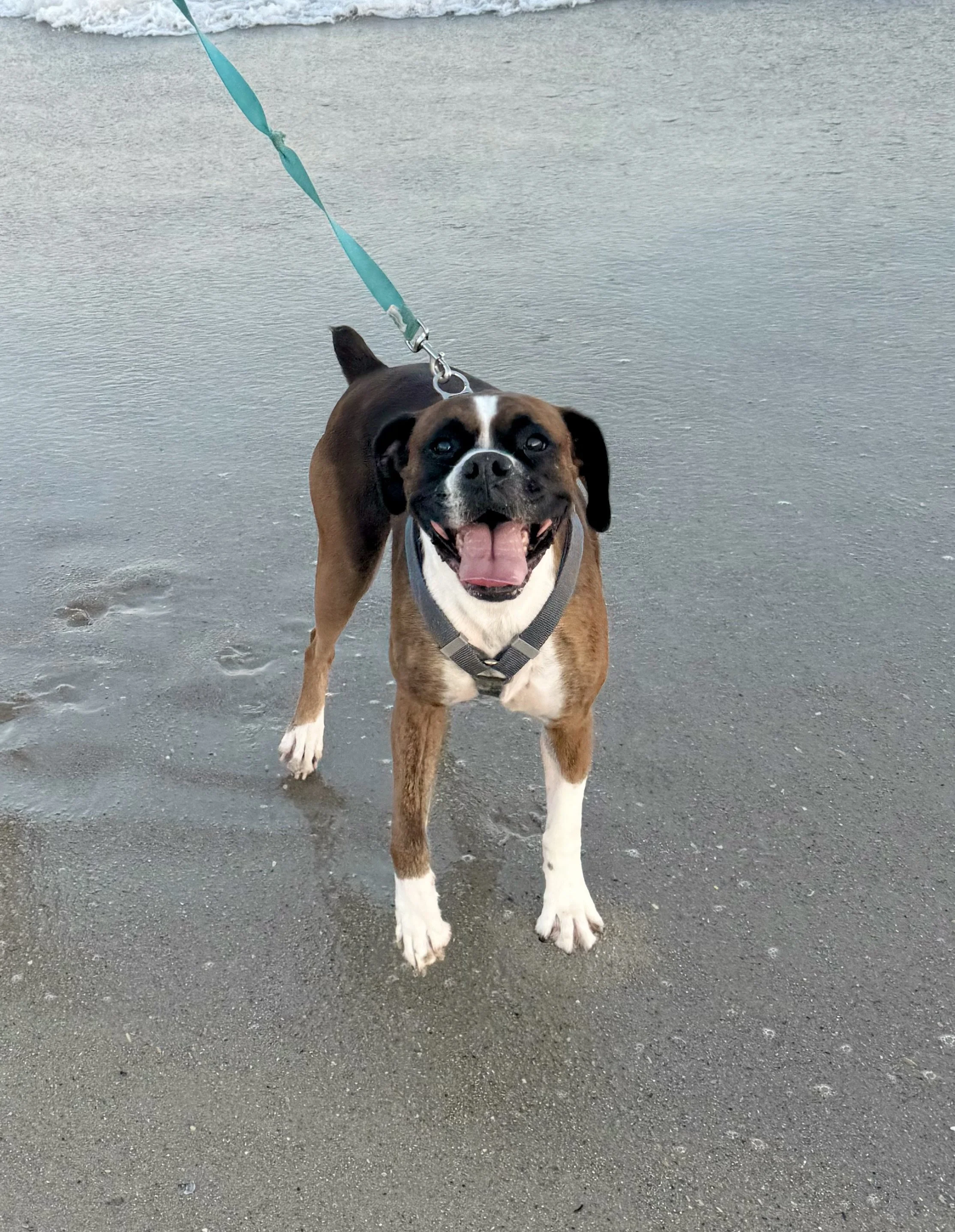
Frankie
Director of Walks & Wellness

Fred
Chief Comfort Officer